The Terminal’s Own Arithmetic: A Merchant Fee Audit for UK Card Statements
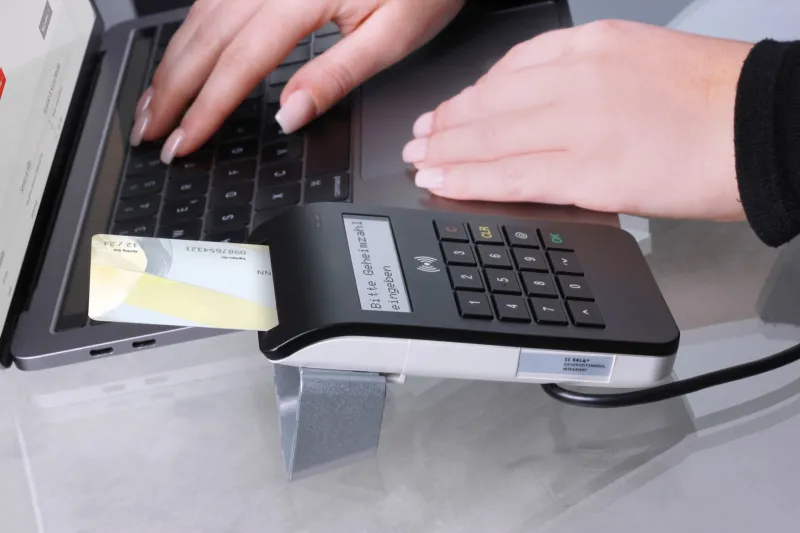
Card acceptance has become part of the fixtures and fittings of a UK business. The terminal sits on the counter, the takings arrive, and the monthly merchant statement is filed without much scrutiny. That is understandable. The statement is rarely designed for easy reading, and the fees are expressed in several different ways. Yet the cost of accepting cards is not a single, immutable charge. It is a stack of charges, some set by card schemes, some by the acquiring bank or processor, and some by the contract itself. A structured audit can turn that stack into a set of comparable numbers.
Begin with the statement, not the sales pitch
A merchant statement should be read as a financial record, not as a brochure. Start by identifying the statement period, the trading names and the merchant numbers covered. Larger SMEs may have several merchant accounts, terminals or online gateways, and a fee that looks modest in one area can be material when aggregated across the group.
Next, list every line that reduces the amount settled to the bank account. Typical entries include the merchant service charge, terminal rental, authorisation fees, settlement or batch fees, chargeback fees, refund fees, gateway charges, PCI DSS compliance fees and minimum monthly service charges. Some statements show these separately; others bury them within a bundled rate. The aim at this stage is completeness, not judgement. Build a schedule of every charge and the basis on which it is applied.
Separate the four layers of cost
Most card processing costs can be grouped into four layers. The first is interchange, which is generally set by the card scheme and varies by card type, transaction type and whether the card is present. The second is scheme fees, also set at scheme level. The third is the acquirer or processor margin, which is the commercial charge for providing the merchant account and connecting the business to the card networks. The fourth is ancillary charges: terminal hire, compliance fees, chargebacks and administrative items.
A bundled rate hides the first three layers inside a single percentage. A cost-plus or interchange-plus arrangement discloses them separately and adds a fixed markup. Neither model is inherently better. The practical question is whether the business can see enough of the arithmetic to test whether the total is reasonable and whether it will remain so as card mix changes.
Calculate an effective rate before comparing quotes
A quoted rate is not the same as an effective rate. To calculate the effective rate, add every card-related cost for the period and divide by the total value of card transactions processed. Multiply by 100 to express it as a percentage. For example, if a business processes £180,000 in card turnover and pays £1,620 in total card-related charges, the effective rate is 0.90 per cent.
That single figure is useful because it captures terminal rental, minimum charges and other fixed items that a headline percentage may omit. It should be calculated for several consecutive months, not just one. Seasonality, refunds and chargebacks can distort a single period. A three-month rolling effective rate gives a more stable baseline for comparison.
It is also worth calculating a separate effective rate for card-present and card-not-present transactions if the business accepts both. Online payments often carry different risk and fee structures, and blending them can obscure where the cost actually sits.
Reconcile terminals, sites and merchant numbers
A common source of quiet overspend is the terminal that should have been returned. When a site closes, a pop-up ends or a contract is renegotiated, the terminal rental line can continue. The same applies to gateway subscriptions and unused merchant numbers.
Reconcile the statement against an asset list: every terminal, gateway and merchant number should have an owner, a location and a business reason. If a terminal is no longer in use, confirm the return procedure and obtain written acknowledgement. Keep that acknowledgement with the contract file. The monthly audit should flag any rental line that cannot be matched to an active terminal.
Read the contract for the variables
Before renewal, read the contract for the clauses that change the arithmetic. Look for the notice period and whether renewal is automatic. Identify how and when rates can be varied, and whether the processor must give notice of changes. Check the treatment of minimum monthly service charges, PCI non-compliance fees and chargeback administration fees. If terminal equipment is leased rather than rented, establish the end date and the cost of exiting early.
Pay particular attention to any clause that allows the processor to recover scheme or interchange increases. These are legitimate costs, but the business should know whether they are passed through at cost or with an additional margin. A clause that is silent on this point is not necessarily favourable; it may simply leave the treatment unclear until a statement arrives.
Make it a monthly control, not an annual scramble
A merchant fee audit does not need to be elaborate. A monthly routine can be built around five steps: obtain the statement, list every charge, reconcile terminals and merchant numbers, calculate the effective rate and compare it with the previous month. Any unexplained movement should be queried promptly, while the statement is still recent and the processor’s records are easy to retrieve.
Over a year, those small queries create a useful record. They show what the business has been charged, what has changed and what has been challenged. When renewal arrives, the conversation starts from evidence rather than from the headline rate on a new quote. That is the practical value of the exercise: not a one-off saving, but a recurring control over a cost that is easy to ignore and difficult to reconstruct after the fact.